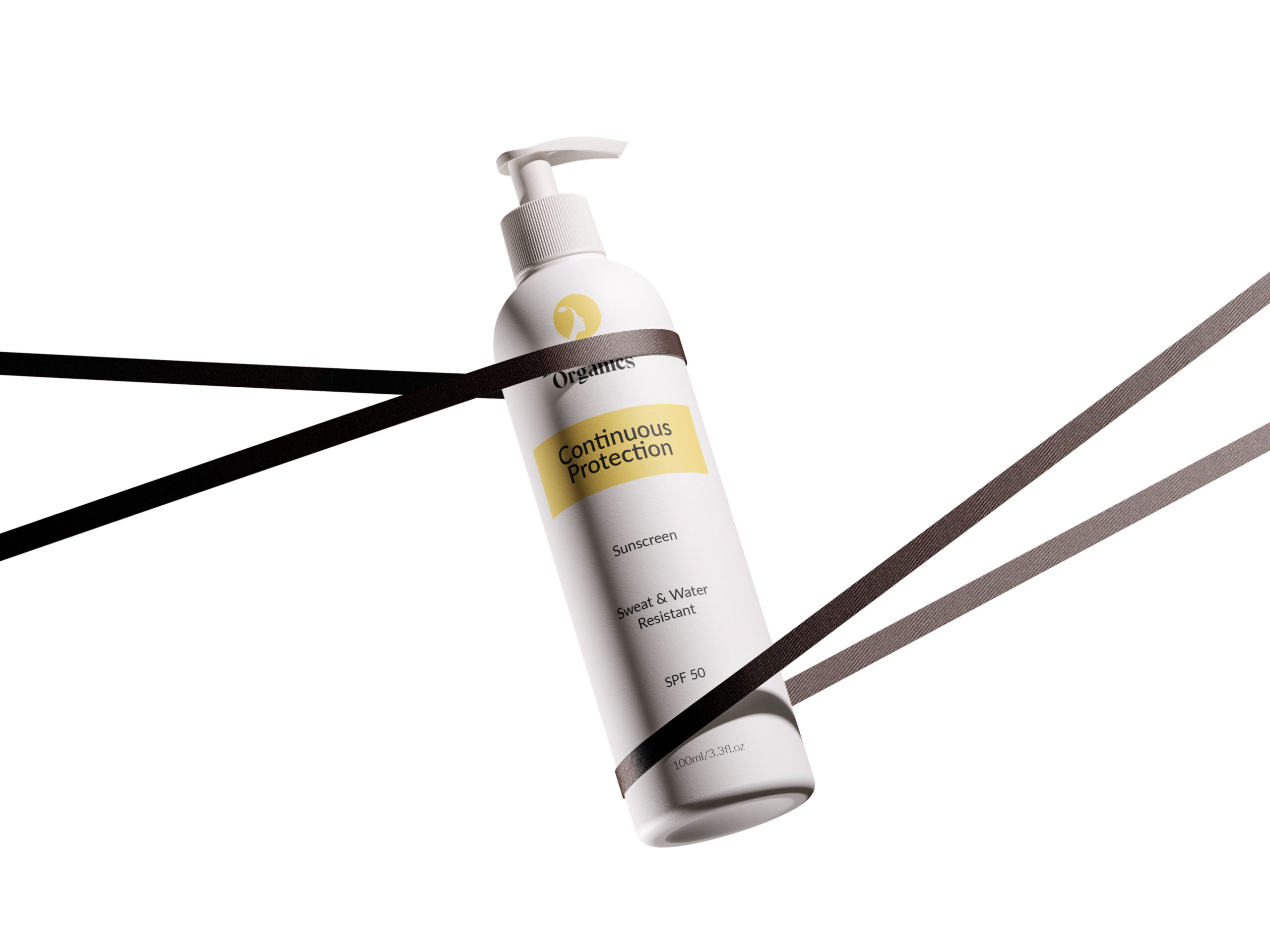

Packaging design sells when it does three jobs at once: it grabs attention at the point of decision, communicates the brand and product instantly, and delivers a physical experience that makes the customer feel good about their choice. For a product business, packaging isn’t a container; it’s a silent salesperson on the shelf, the first physical experience of your brand, and increasingly a moment customers photograph and share. Packaging becomes one of the highest-leverage pieces of brand collateral you own.
This guide breaks down what makes packaging actually sell, the role of the unboxing experience, and the principles that turn a box into a brand moment.
Why packaging is so powerful
Packaging occupies a unique position: it’s where your brand becomes physical, in the customer’s hands, at the exact moment they’re deciding or receiving. That gives it power few other touchpoints have:
- It sells at the point of decision. On a shelf or a product listing, packaging is often the deciding factor between your product and the one next to it. It’s a salesperson that works without a word.
- It’s the first physical brand experience. For many products, the packaging is the customer’s first tangible encounter with the brand, and first impressions made physically are powerful and lasting.
- It shapes perceived value. Packaging dramatically influences how premium, trustworthy, and desirable a product feels. The same product in better packaging is perceived as more valuable.
- It’s shareable. Distinctive packaging and unboxing experiences get photographed and shared, turning customers into marketers and extending the brand’s reach for free.
In short, packaging does marketing, branding, and selling simultaneously, in the most tangible way a brand can.
What makes packaging sell
1. Instant clarity
In the second someone’s eyes land on it, packaging must communicate what the product is and why it matters. Clever design that obscures the basics fails. The best packaging is both distinctive and immediately clear; you know what it is and feel drawn to it at once.
2. Shelf and thumbnail standout
Packaging has to win attention against competitors, physically on a shelf and, increasingly, as a small image in an online listing. It needs to stand out in a crowded context and remain recognisable and legible even when small. Designing only for how it looks up close, and not how it reads at a glance among rivals, is a common mistake.
3. Strong brand expression
Packaging should be unmistakably yours, carrying your brand identity, colours, typography, logo, and personality, so it reinforces recognition and builds your brand with every unit sold. Generic packaging wastes a branding opportunity that’s literally in the customer’s hands.
4. Appropriate quality and materials
The physical feel of packaging is a direct message about the product inside. Materials, finishes, and construction signal quality (or its absence). Packaging that feels cheap undermines a premium product; well-made packaging reinforces value. The print production craft, materials, finishes, and structural design are where this is won or lost.
5. Function as well as form
Packaging that’s beautiful but frustrating, hard to open, impractical, or poorly protective, sours the experience. Great packaging balances looking good with working well: protecting the product, being practical to use, and increasingly being responsible about waste.
The unboxing experience
For products bought online especially, the unboxing experience has become a brand moment in its own right. The sequence of opening, the outer box, the way the product is revealed, the details and touches inside are an opportunity to delight customers and create something they remember and share.
A considered unboxing experience:
- Turns a transaction into a moment, making the customer feel valued and reinforcing that they made a good choice.
- Builds loyalty, because a delightful experience makes people more likely to return and recommend.
- Generates organic reach, as people share remarkable unboxings, extending your brand at no cost.
You don’t need extravagance; thoughtful, on-brand details often beat expensive excess. The point is to make opening the product feel intentional and special, not like tearing into a generic shipping box.
Modern considerations
Packaging design today carries responsibilities and expectations that affect how it sells:
- Sustainability. Customers increasingly notice and value responsible packaging. Excessive or wasteful packaging can actively count against a brand, while thoughtful, sustainable choices can become a selling point.
- Online-first reality. With so much bought online, packaging must work as a small thumbnail image and as a shipped, unboxed experience; not just on a physical shelf.
- Consistency with the digital brand. The packaging must feel like the same brand the customer met online, so the physical and digital experiences reinforce one coherent identity.
Frequently asked questions
What makes packaging design sell?
Packaging sells when it grabs attention at the point of decision, communicates the product and brand instantly, stands out against competitors (on a shelf and as a small online image), expresses a strong brand identity, signals appropriate quality through materials and finishes, and functions well. It works as a silent salesperson and a brand moment at once.
Why is the unboxing experience important?
Because it turns a transaction into a memorable brand moment, especially for products bought online. A considered unboxing makes customers feel valued, builds loyalty, and gets shared, generating organic reach. Thoughtful, on-brand details matter more than expensive excess; the goal is to make opening the product feel intentional and special.
How does packaging affect how valuable a product seems?
Significantly. Packaging strongly influences perceived value; the same product in better packaging is seen as more premium, trustworthy, and desirable. The physical feel, materials, and finishes act as a direct signal about the product’s quality, so packaging that feels cheap undermines value while well-made packaging reinforces it.
Should packaging match my online brand?
Yes. Packaging should carry the same brand identity, colours, typography, logo, and personality as your digital presence, so the physical and online experiences feel like one coherent brand. Consistency between packaging and your digital brand reinforces recognition and trust; inconsistency breaks the impression.
Your packaging is selling for you whether or not it’s designed to. Explore our print production service to turn your packaging into a brand moment that sells, delights, and gets shared.