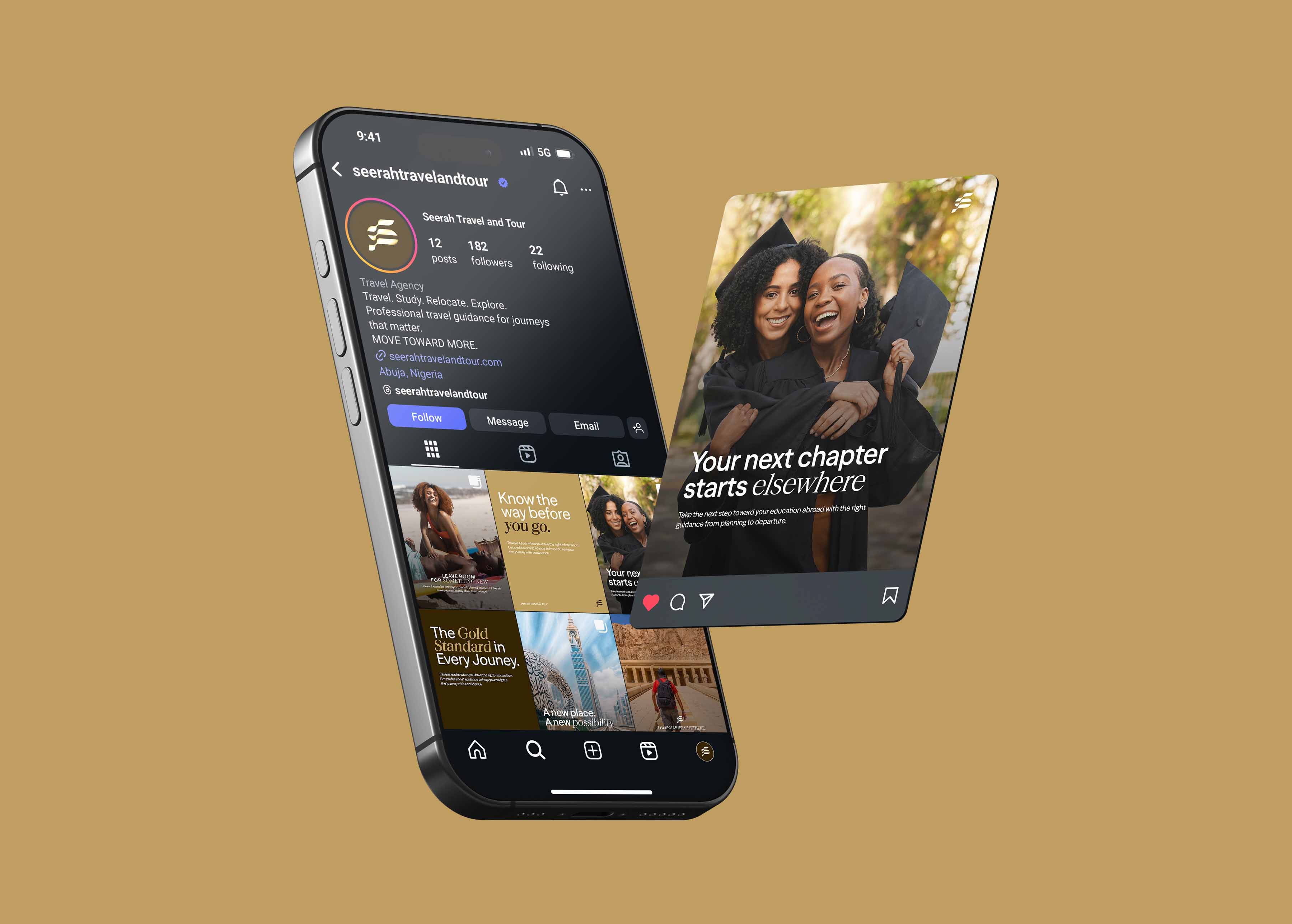


Short-form video and motion graphics are now a core part of how brands show up on social media: short, vertical, attention-first clips and animated graphics that earn engagement in feeds built for movement, where static images increasingly struggle to compete. In 2026, a brand that posts only still images is bringing a photograph to a video fight. You don’t need a film crew to compete, but you do need a deliberate approach.
This guide explains why short-form video and motion matter, how to keep them on-brand, and how a small team can produce them consistently without burning out or blowing a budget.
Why short-form video took over
Social platforms reward what keeps people watching, and short vertical video does that better than almost anything else. The format has reshaped how audiences consume content and how algorithms distribute it. The practical implications for brands:
- Motion wins attention. In a scrolling feed, movement stops the thumb. A still image has a fraction of a second to compete with video that’s already moving.
- Platforms prioritise it. Short-form video tends to get more reach because the platforms want to keep people watching it.
- It builds connection. Video conveys personality, tone, and authenticity in a way static images can’t. People connect with brands that feel human, and video is the most human format.
This connects to the broader motion-first shift in branding: as more brand experience happens on screens, the brands that move, with intention, hold attention better than the ones that don’t.
Short-form video vs. motion graphics
They overlap but aren’t the same:
- Short-form video is filmed content: a person talking, a product in use, a behind-the-scenes clip, usually short and vertical.
- Motion graphics are animated design: text that moves, animated logos, data that builds, graphic transitions. No camera required.
Most brands benefit from both. Filmed video brings humanity and authenticity; motion graphics bring polish, clarity, and brand consistency. Often the strongest content combines them, filmed footage with branded motion-graphic overlays.
How to keep video and motion on-brand
The risk with video is that it drifts off-brand fast, because it’s produced quickly and often by whoever’s available. To keep it recognisable:
- Apply your visual identity. Your colours, fonts, and graphic style should appear in captions, overlays, and end frames so every clip is identifiably yours, even muted.
- Use a consistent motion style. The way text animates and scenes transition should follow a defined style, the same way your social media style guide governs static posts.
- Brand the small moments. A consistent intro, outro, caption style, or logo animation ties your video content together into a recognisable system.
- Design for sound-off. Most social video is watched without sound, at least at first. Captions and on-screen text aren’t optional; they carry the message until the viewer turns sound on.
- Keep accessibility in mind. Captions help everyone, including viewers who are deaf or hard of hearing, and respecting reduced-motion preferences where relevant is good practice.
Producing short-form video sustainably
The biggest barrier isn’t quality; it’s sustainability. Brands often post a burst of video, exhaust themselves, and stop. A few principles keep it going:
- Batch production. Film and edit several pieces in one session rather than scrambling for each post. Batching is how small teams keep up.
- Use templates for motion graphics. Just as with static templates, reusable motion-graphic templates let you produce branded animated content quickly and consistently.
- Repurpose. One longer piece of content can become several short clips. One idea can be filmed, written, and animated. Get more from each effort.
- Prioritise consistency over polish. A steady stream of decent, on-brand video outperforms occasional cinematic perfection. The algorithm and the audience both reward showing up.
- Start simple. You don’t need expensive equipment. A phone, good light, clear audio, and branded overlays go a long way. Raise the bar as you build the habit.
What to avoid
- Posting raw, unbranded clips that build no recognition for your brand.
- Chasing every trend at the expense of your identity; borrow formats, keep your voice.
- Ignoring sound-off viewers by relying on audio to carry the message.
- Over-investing in polish before you’ve built a sustainable habit of posting.
- Inconsistent style that makes your video content look like it came from different brands.
Frequently asked questions
Why is short-form video important for brands?
Because social platforms reward it with reach, and motion captures attention in feeds where still images struggle to compete. Short-form video also conveys personality and authenticity better than static content, helping brands build genuine connection. In 2026, it’s a core format, not an optional one.
What’s the difference between short-form video and motion graphics?
Short-form video is filmed content, like a person talking or a product in use. Motion graphics are animated design, moving text, animated logos, and graphic transitions, with no camera needed. Many brands use both, often combining filmed footage with branded motion-graphic overlays.
How do I keep my video content on-brand?
Apply your colours, fonts, and graphic style to captions, overlays, and end frames; use a consistent motion style; brand the intros, outros, and caption styles; and design for sound-off viewing with captions. A defined motion style and reusable templates keep video recognisable.
Do I need expensive equipment to make short-form video?
No. A phone with good lighting, clear audio, and consistent branded overlays produces effective short-form video. Consistency and on-brand presentation matter more than production polish; a steady stream of decent branded clips beats occasional cinematic ones.