
Building brand trust online means giving visitors enough credible signals, proof, transparency, professionalism, and consistency so that they feel safe enough to act, because online, where they can’t shake your hand or walk into your shop, trust is the single biggest thing standing between interest and purchase. A visitor can want what you offer and still not buy, simply because they’re not sure they can trust you. Remove that doubt, and you convert; leave it, and you lose them.
This guide breaks down the concrete signals that make building online trust simple and how to use them, so the people who are interested in what you do actually feel safe enough to say yes.
Why trust is the real conversion barrier
When someone considers buying from you online, they’re weighing a risk: will this deliver what it promises, or am I about to waste my money and time? Everything else- your product, your price, your offer- only matters if they trust you enough to take that risk.
This is why two businesses with identical offers can convert at wildly different rates. The one that signals trustworthiness more effectively wins, because it lowers the perceived risk of saying yes. Trust isn’t a soft, nice-to-have quality; it’s the mechanism that converts interest into action.
Building Brand Trust Online: The Signals
Trust online is built from accumulated signals. No single one does it; together they tip a hesitant visitor toward confidence.
1. Social proof
The most powerful trust signal: evidence that other people have trusted you and were glad they did. This includes:
- Testimonials with real names, roles, and ideally photos; attributed proof outperforms anonymous quotes.
- Reviews and ratings from real customers.
- Case studies showing real results for real clients.
- Client logos and any recognisable names you work with.
- Numbers, customers served, years in business, projects delivered, used honestly.
People look to others to decide whether to trust. Show them that others already have.
2. Professional design
A polished, coherent website is itself a trust signal. Visitors read sloppy design as a sign of a sloppy business. A professional brand identity and a well-built site signal competence before anyone reads a word. Conversely, an outdated or broken-feeling site quietly tells visitors you might not be reliable.
3. Transparency
Hiding information breeds suspicion. Trust grows when you’re open about:
- Who you are: a real “about” page with real people builds confidence.
- How to reach you: clear contact information signals a real, reachable business.
- Pricing or how pricing works: even ranges or “how we price” beats total opacity.
- What to expect: clear processes, timelines, and policies reduce uncertainty.
4. Credibility markers
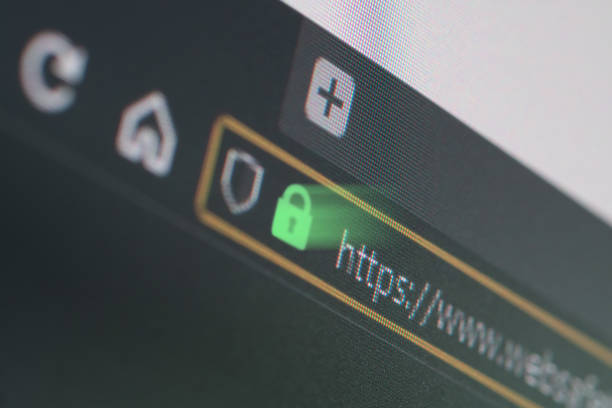
Signals that you’re established and safe to deal with: security indicators (HTTPS, secure checkout), professional contact details, relevant credentials or memberships, and a presence beyond your own website, an active social presence, mentions, and a findable footprint that confirms you exist as claimed.
5. Consistency
A brand that’s consistent across every touchpoint- website, social, communications feels more trustworthy than one that’s different everywhere. Consistency signals stability and intentionality. This is why a coherent digital presence builds more trust than scattered, inconsistent channels.
6. Responsiveness and proof of life
Signs that there are real, responsive humans behind the brand: recent content, active social channels, fast replies, and clear ways to get help. A brand that looks dormant raises doubt; one that’s evidently active and responsive reassures.
Where to put trust signals
Placement matters as much as presence:
- On your homepage, to establish credibility immediately.
- Near your calls to action, where hesitation peaks, proof right at the decision point reduces the risk of acting.
- On landing pages, where you’re often asking strangers to act.
- On product or service pages, where buyers make decisions.
- Throughout the journey, so trust builds continuously rather than appearing once and disappearing.
The fastest way to lose trust
Trust is hard to build and easy to break. The quickest ways to destroy it online:
- Looking unprofessional: a broken, slow, or dated site.
- Hiding information: no contact details, no “about,” no transparency.
- Fake or exaggerated proof: invented testimonials or inflated numbers, which savvy visitors smell and which can backfire badly.
- Inconsistency: a brand that’s different everywhere feels unreliable.
- No proof of life: a presence that looks abandoned.
Honesty is non-negotiable here: the goal is to demonstrate genuine trustworthiness clearly, never to fake it. Fabricated trust signals erode the very thing they’re meant to build.
Frequently asked questions
How do you build trust with customers online?
By accumulating credible signals: social proof (testimonials, reviews, case studies), professional design, transparency about who you are and how to reach you, credibility markers like security and an established presence, consistency across channels, and clear signs of a responsive, active business. Together, these lower the perceived risk of buying.
What are trust signals on a website?
Trust signals are elements that reassure visitors you’re credible and safe to deal with: testimonials with real names, reviews, case studies, client logos, professional design, clear contact information, security indicators, transparency about pricing and process, and a consistent, active presence.
Why don’t visitors buy even when they’re interested?
Usually because they don’t trust you enough to take the risk. Online, buyers can’t physically verify you, so doubt about whether you’ll deliver stops them. Adding credible trust signals, especially social proof near the call to action, removes that doubt and converts interest into action.
Where should I place trust signals?
Place them on the homepage to establish credibility early, near your calls to action where hesitation peaks, on landing and product pages, and throughout the journey so trust builds continuously. Proof at the decision point is especially effective at reducing the risk of acting.
Interested visitors who don’t trust you don’t buy. Explore our brand and web design services to build the credibility signals that turn hesitation into action.